When we moved into our house eight years ago, there was an almost-empty raised-garden bed in the backyard. The only noticeable plant in this three by one-and-a-half metre rectangular brick bed was a small capsicum bush. Within the next few months, however, we found that occasionally something would shoot to the surface. It was not a bountiful harvest by any means: a strawberry here or what looked like a ball-shaped cucumber there. For someone who had never really grown anything – and I wasn’t even growing these so much as watching with wry bemusement like a horticultural Miss Marple – I thought this was all rather fun.
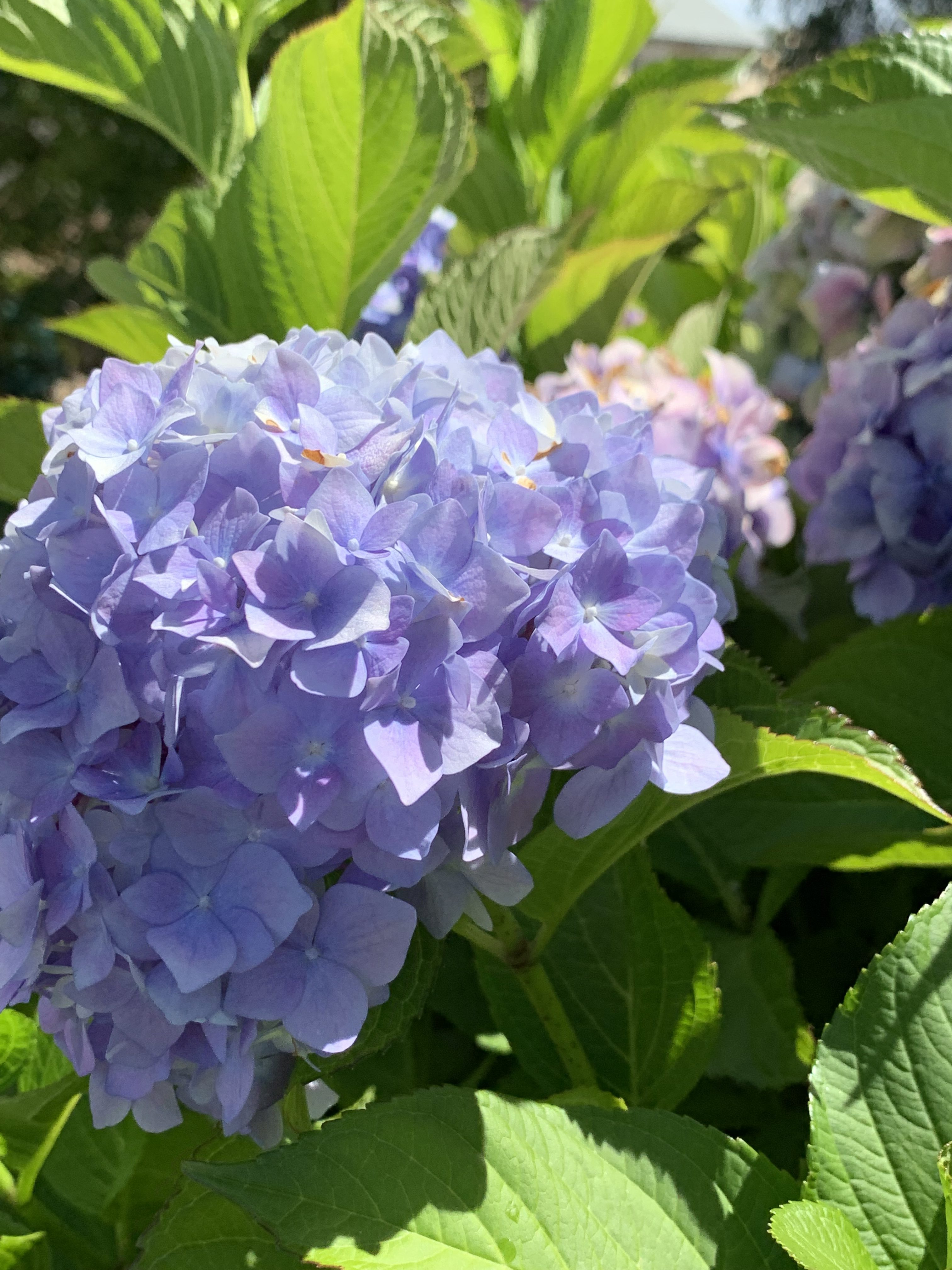
Well, eventually, my grandfather had enough of what I can only imagine he thought was insanity. For all his life, he had grown masterful gardens. Every season they flourished with pomodori, melanzane, fagioli, finocchio, rabe, carciofi, lattughe, uva, fragole, and…beetroots. Funny that I never learned – and we never really used – the Italian word for beetroot. I got my love of hydrangeas from his garden. Happiness really is a hydrangea. A variety of colours came from the roses and geraniums; and the jasmine vine gently whispered the word “summer” in the evening breeze. My annual persimmon bundt cake is courtesy of the tree in the front yard. And who else can say their citrus comes from an orange-lemon-mandarin tree all in one courtesy of Nonno’s skillful grafting of a tree that has stood in his backyard for decades?
It was already bad enough that I had inherited a garden with largely ornamental trees, including four small lilly pilly bushes, a box hedge, and two crepe myrtles. Worse, I resisted replacing them with functional (i.e., fruit- or vegetable-bearing) plants. This garden was more form than function. Very beautiful, but what did it do? I felt the weight of my Calabresi ancestors’ expectations on my shoulders.
The garden bed and its meagre bounty just wouldn’t stack up. We needed to plant something.
I had always been very taken with the passionfruit vines my grandfather had planted at his house. So, it was decided. One day Nonno came over with an assortment of metal piping and joints, chicken wire netting, weathered wooden stakes, and his tools, including his trusty square-headed shovel. He also had two beautiful Nellie Kelly passionfruit plants. Nonno got to work, expertly setting up the frame of four vertical pipes and horizontal piping over the top. It would take up almost the whole space, except for the area where the capsicum was. He worked purposefully, but not hurriedly, until the structure was complete. Next he dug two holes in the soil and he placed the plants with dexterity into their new homes. Chicken wire was looped around each plant in a cylindrical barrel shape. A good water followed.
In their first year, the plants started to snake around the trellis and flowers bloomed. I thought they were one of the most beautiful flowers then, and I still think that when the beginning of the season is marked with those spectacular purple and white flowers. That first season produced a few small fruits.

The seasons that followed were plentiful. The little Nellie Kellys have since given us hundreds and hundreds of passionfruit. Bowls overflowed on my kitchen table with the beautiful purple fruits. I would load produce bags and drop them at friends and family members’ houses. There is something very gratifying about being able to share produce with others. Not that passionfruit are necessarily a staple like potatoes or onions, but who wants to subsist solely on staples?
Over time, they have become my favourite fruit, and so it’s not unusual when making a choice at the supermarket to find me with a passionfruit-flavoured drink or yogurt.
The vines have also given me one of signature dishes. I started making my summer passionfruit semifreddo every season, buying two rectangular cake tins for that very purpose. A luxurious and quite fetching dessert that is a delight to plate with some mint and extra passionfruit juice.
I love those plants.


Seven years is a long time for passionfruit. It is pretty much a vine’s lifespan. This season the foliage is pretty bear, there are few tendrils, and the base of the plants, once protected by the chicken wire in their infancy, are now woody and scarred. There is fruit not dissimilar to those early fruits before the vines had really taken root.
My grandfather passed away almost five months ago at age 90.
There is a proverb – its provenance unclear but often attributed to Greece – that is so stunning it takes my breath away: “A society grows great when old men plant trees in whose shade they know they shall never sit”. This is certainly true, but Nonno started young and did such a good job that many of his trees are decades old, and he did get to sit under them after an honest day’s work in the garden. Happiness is a hydrangea, but being handed freshly picked strawberries or a fennel bulb to go wash under the tap and cut into pieces to share is bliss.
There’s another idea attributed to the ancients (I know we’re not Greek, but Calabria’s history is entwined with that of the Greeks, so stay with me) that what we leave behind is what is woven into the lives of others. Gardening advice is to eventually plant young passionfruit plants alongside the older ones, so that when the time comes there is a seamless transition. As my grandfather grew too ill to plant anything new in his or others’ gardens, I resisted planting new ones myself though I had seen how he had done it, and he always encouraged me to learn how to do these things.
I tend my passionfruit plants gently now as I garden. They don’t need to produce anything if they don’t want to. I carefully prune away branches that have died so that sun can stream in, and I gently water them. Around the garden, I am repotting plants and digging into the earth with my shovel.
This will likely be the passionfruit plants’ last season.
I am bereft.